
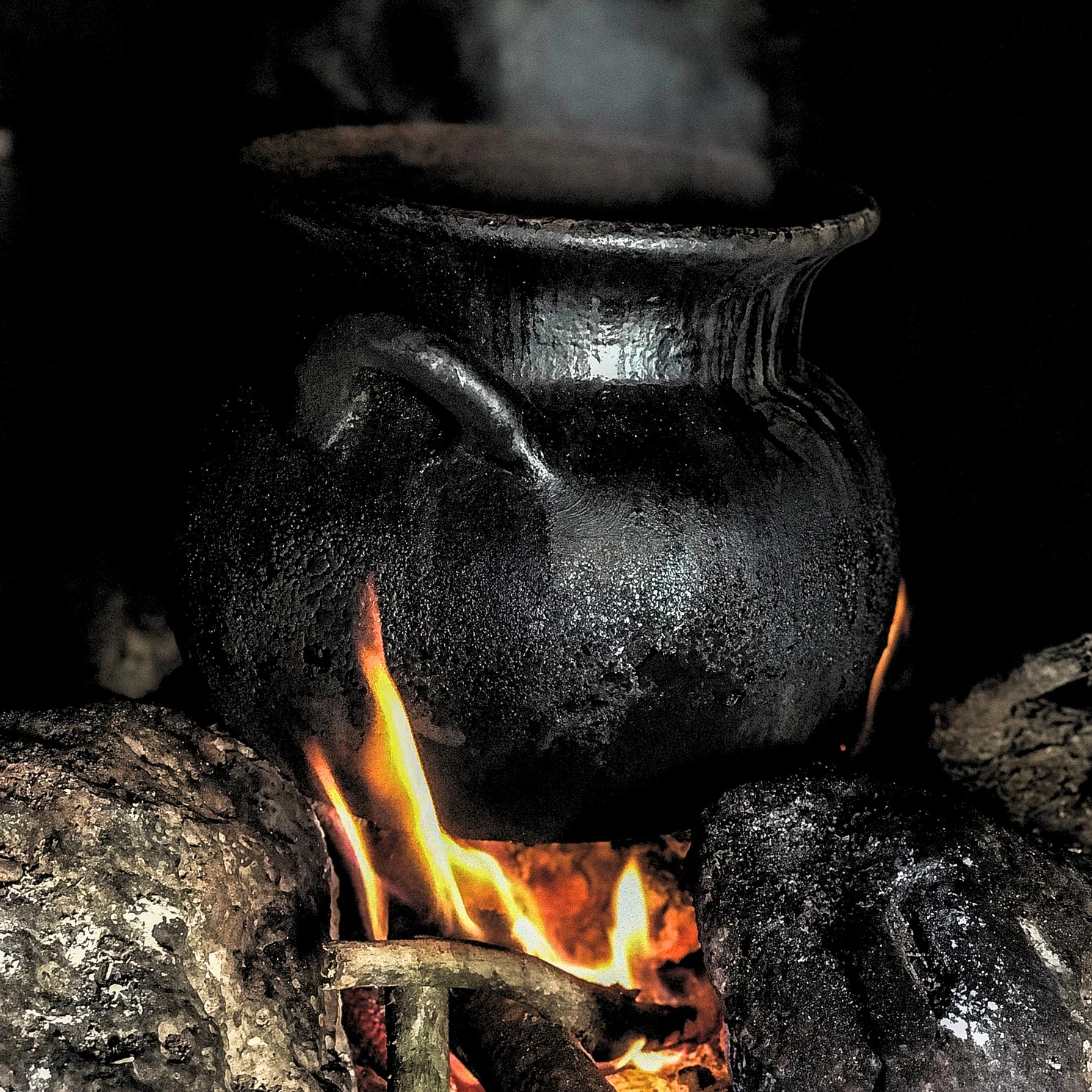
Introduction to the Kitchen
The kitchen is, without a doubt, one of my favourite rooms in the house, and not just because I’m a die-hard fan of food and eating!
I believe the kitchen is the heart of the home, where its inhabitants and friends gather to share recipes, prepare food, eat, drink, recount the events of the day and make plans for the future. But there’s something else that has always fascinated me about the kitchen. For centuries, it has also been a place of magic.
Welcome to Paranormal Manor’s kitchen, where the herbs aren’t always just for cooking, the candles may have a little more purpose than simply setting the mood, and there’s quite possibly a witch around!
But let’s get one thing straight from the outset. When we talk about witchcraft, we’re not necessarily talking about black magic, sacrifices, devil worship or anything remotely sinister. Those are popular stereotypes, largely fuelled by centuries of folklore, fear and misunderstanding. Modern witchcraft takes many forms, and for many practitioners, it’s about spirituality, nature, intention and connection with the world around us.
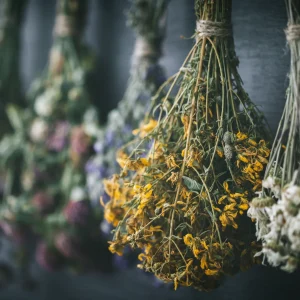
One tradition you may have heard of is Wicca, a modern pagan religion that celebrates nature and the changing seasons, often incorporating rituals, spellwork, meditation and reverence for the natural world. Wiccans may work with the elements, celebrate the cycles of the moon and mark seasonal festivals throughout the year. Beliefs and practices vary, but respect for nature is a common theme.
And then there’s the fascinating world of kitchen witchcraft.
A kitchen witch believes that magic doesn’t have to be performed in a sacred circle under a full moon or involve elaborate ceremonies and mysterious incantations. Sometimes, magic can be found in the simplest of everyday activities.
Think about it. Herbs have been used for centuries in cooking, medicine, folklore and spiritual practices. Rosemary has long been associated with remembrance and protection, lavender with peace and tranquillity, and cinnamon with warmth, prosperity and abundance. Even the humble bay leaf has found its way into magical traditions, with some people writing wishes upon the leaves before burning them as a symbolic act of intention.
A bubbling pot of soup can become an act of love. Lighting a candle can be a moment of reflection. Preparing a meal with positive intentions can become a ritual in itself.
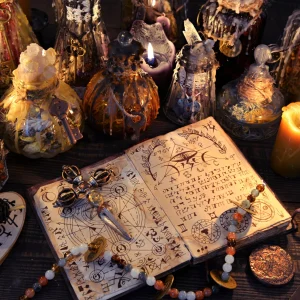
And let’s not forget the moon! Its phases have inspired countless traditions, with new moons often associated with fresh beginnings and full moons with reflection, release and renewal.
Of course, witchcraft isn’t a one-size-fits-all practice. Some witches follow Wiccan traditions, others identify as eclectic witches, green witches, hedge witches or kitchen witches, while many simply incorporate a little folk magic into their everyday lives.
There’s a rich history here too, stretching back through generations of herbalists, healers, midwives and wise women whose knowledge of plants, remedies and natural cycles was often passed down through families. Some were respected members of their communities; others found themselves accused of witchcraft in times when fear and superstition were rife.
So, whether you’re an experienced practitioner, someone who enjoys a little candle magic, or simply someone who likes to grow herbs on the windowsill, there’s plenty to explore.
Here in the kitchen, we’ll be lifting the lid on witchcraft, exploring its traditions, uncovering fascinating folklore, discovering the magical associations of everyday ingredients and perhaps even trying a spell or two along the way.
Just remember, the next time you’re stirring a pot, lighting a candle or sprinkling a little rosemary into your dinner, you might be doing more than you think.
After all, a little magic never hurt anyone.
Blessed be!
Carrie x